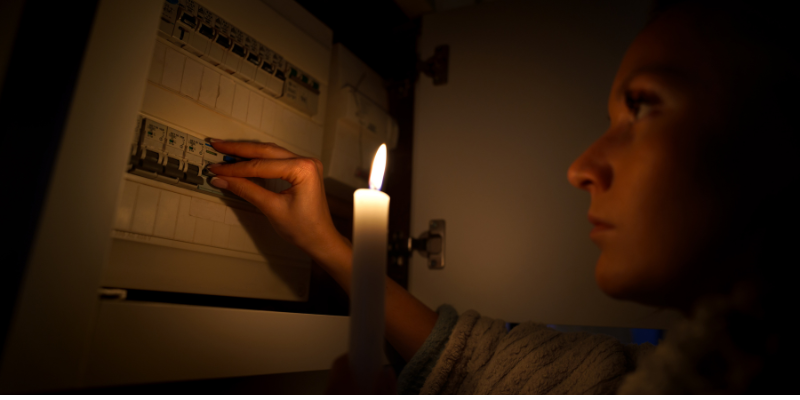
Spring thaw puts real pressure on power systems. Melting snow and heavy rain can cut off electricity when critical systems are needed most. Without backup, you risk losses to property, food, appliances and more.
Here’s why installing a backup generator is a practical measure to maintain your systems, even during spring’s worst weather events.
Why The Spring Thaw Brings Risks of Power Outages
Spring thaw brings warmer temperatures and melting snow, but it also increases the risk of power failures. Rapid snowmelt, combined with spring rains, can overwhelm stormwater systems, flood basements, and trigger infrastructure damage. Saturated soil can topple trees, bringing down power lines and leaving homes vulnerable to outages that last for hours and even days.
For homeowners and businesses, the consequences range from spoiled food and failed sump pumps to halted operations and compromised safety systems. That’s why it pays off to be proactive.
How Backup Generators Provide Power Security
Backup generators provide automatic or manual power supply during grid failures. They ensure continuity for essential systems such as:
- Sump pumps: Prevent basement flooding by keeping water management systems operational.
- HVAC systems: Maintain indoor climate and prevent mould or pipe freezing.
- Security systems: Ensure alarms, surveillance, and locks stay functional.
- Refrigeration: Avoid costly food and medicine spoilage.
- Business operations: Support servers, lighting, point-of-sale systems, and more.
Types of Backup Generators
- Standby Generators
- Fixed installation
- Automatic start during outages
- Fueled by natural gas or propane
- Best for whole-home or full-facility coverage
- Portable Generators
- Manually operated
- Gasoline-powered
- Ideal for short-term, selective use (e.g., fridge, lights, sump pump)
- Inverter Generators
- Quieter, cleaner power
- Suitable for sensitive electronics
- Typically smaller and portable
What to Consider Before Purchasing a Backup Generator
- Power Load Requirements: Assess what systems must remain operational. An electrician can calculate the kilowatt (kW) demand.
- Fuel Source: Options include natural gas (preferred for standby units), propane, or gasoline. Fuel availability affects reliability.
- Installation Regulations: Local codes may dictate placement, noise levels, and permitting. Compliance is non-negotiable.
- Automatic Transfer Switch (ATS): This device allows seamless switchover during an outage, eliminating the need for manual intervention.
- Maintenance: Like any engine, generators require regular servicing, especially after heavy use.
ROI and Long-Term Protection
Though initial investment can range from $500 for portable units to $15,000+ for whole-home systems with installation, the cost of not having backup power can be far higher. Flood damage, system failures, and business downtime can be devastating.
Backup generators are truly a resilience asset. For homeowners, they protect the value of the property. For businesses, they protect revenue, data integrity, and customer trust.
Find Emergency Power Solutions with RB Heating ClimateCare
Spring thaw is predictable. Power outages often aren’t. A professionally selected and installed backup generator offers peace of mind, asset protection, and power security when the grid fails. For those in flood-prone or outage-prone regions, it may be time to invest in this sort of asset protection.
Contact RB Heating today to discuss your emergency generator options!